
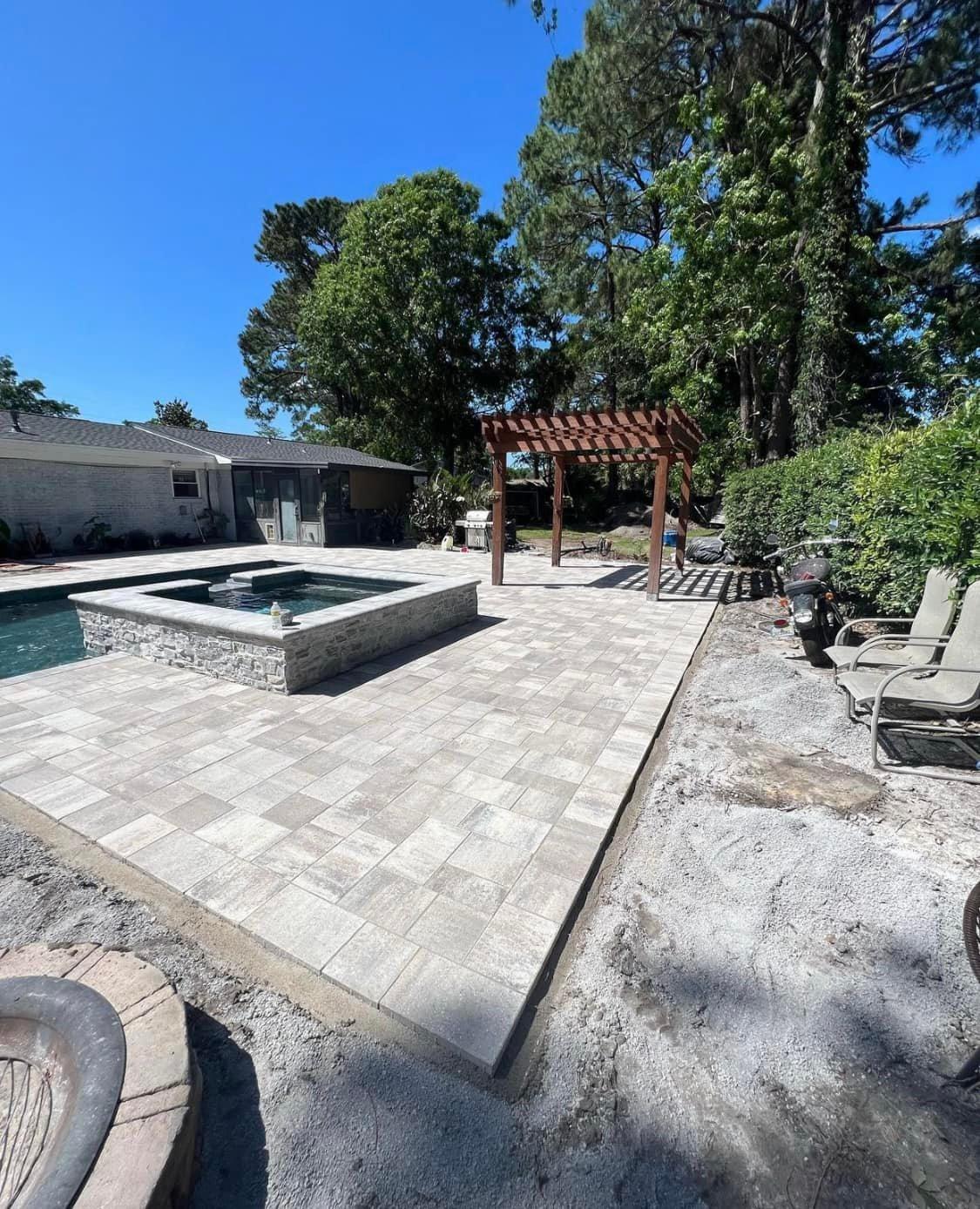
Residential · Retaining Walls
Hold the Ground.
For Decades.
A retaining wall that fails is not a cosmetic problem. It's a structural failure — and in Florida's rain cycles and light soil, walls built without proper drainage, proper footing, and load engineering fail. The consequence is soil movement, foundation exposure, and a much larger repair than the original wall would have cost. We build them to actually hold.
3–7days
Typical Timeline
5yr
Installation Warranty
30+yr
Expected Lifespan
24hr
Written Quote
Why It Matters
Most walls fail
from the back.
Hydrostatic pressure — water accumulating behind the wall — is the primary reason retaining walls fail. A wall without a proper drainage layer is holding back both soil and water. We install drainage aggregate and perforated pipe behind every wall we build, regardless of how small the project seems.
At Plenty Pavers, every retaining wall project starts with an engineering assessment — slope analysis, soil conditions, load requirements, and drainage planning before a block is quoted. We build walls that solve the structural problem permanently, using segmental concrete block and natural stone systems that are engineered to last 30+ years in Central Florida's soil and rainfall conditions.
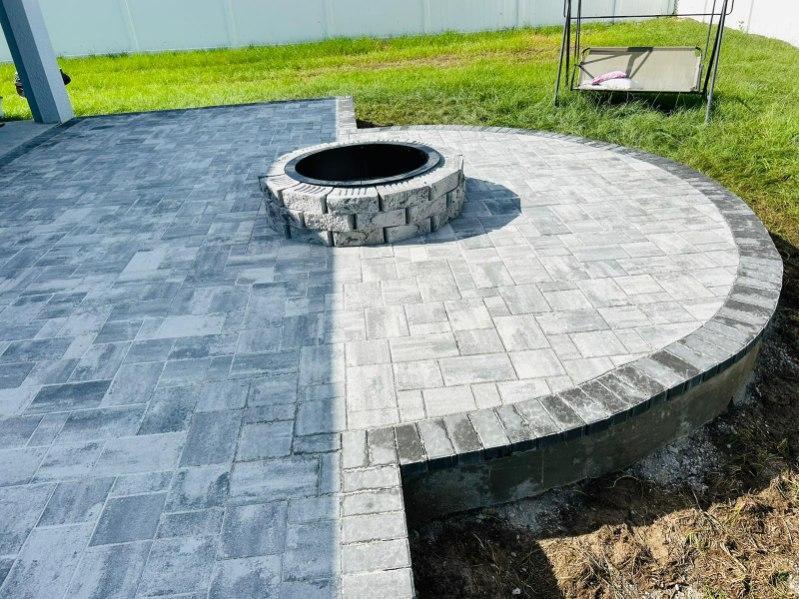
Retaining Wall · Clermont, FL
Engineered to the actual load and site conditions — not sized to look right, sized to hold under the forces it will face
Proper drainage built into the wall structure — water trapped behind a retaining wall creates hydraulic pressure that eventually wins. The drainage is not optional.
Proper footing below the frost line equivalent for Florida soil conditions — the wall's longevity is determined by what's below grade, not what's above it
Segmental block and natural stone options in multiple profiles, textures, and colours
Properly sized and engineered for the load — not undersized to reduce cost
Doubles as a landscape feature — capped walls, built-in planters, integrated steps
How We Build
The installation process
Drainage first, then structure. Every retaining wall we build is engineered from the base up — not assembled backward.
Engineering Assessment
We assess the grade change, the soil conditions, and the water table before recommending wall type or height. The engineering comes before the material selection. Wall height and required footing depth are determined before any pricing is given.
Excavation & Footer
The footing determines everything. Properly set below grade, properly sized for the load, properly drained. This is not a step that gets value-engineered.
Drainage Installation
Drainage aggregate and perforated pipe installed behind the wall before block work advances. This is non-negotiable — it's what separates a wall that lasts 30 years from one that fails in five.
Block Installation & Cap
Each course set back properly for batter (lean into slope). Wall tied to embankment with geogrid where height demands it. Cap course installed and sealed. Final grading and cleanup.
Block Systems
Financing Available
Build it properly now, pay monthly on retaining wall projects.
An engineered wall with a proper footing, drainage layer and compacted backfill costs more than a decorative one. The decorative one fails. Financing keeps that from being a budget decision.
Common Questions
Retaining Wall FAQs
How much does a retaining wall cost in Orlando?
Most residential retaining walls run $30–$60 per linear foot installed, depending on height, material, and drainage requirements. Taller walls requiring engineered footings cost more. We provide detailed written quotes after an on-site assessment.
Why do retaining walls fail?
Almost always: inadequate drainage, inadequate footing, or underestimated load. Water trapped behind a wall builds hydraulic pressure that exceeds the wall's structural capacity. A footing set too shallow heaves with soil movement. A wall sized for visual effect rather than actual load fails under the first saturated wet season. We engineer to the real numbers before we recommend a solution.
Do retaining walls require permits in Central Florida?
Walls over 30 inches in height typically require permits in most Central Florida jurisdictions. We identify the requirement during the assessment phase and handle the permitting process where required.
How important is drainage behind a retaining wall?
It's critical. A retaining wall without proper drainage fails — hydrostatic pressure from water-saturated soil is the primary cause of wall failure. We install drainage aggregate and perforated pipe behind every wall we build.
What materials do you use for retaining walls?
We primarily work with segmental concrete block (Allan Block, Versa-Lok) and natural stone veneer systems. Material choice depends on height, load, aesthetics, and budget — we'll walk through options at the consultation.
Can a retaining wall double as seating or landscaping?
Yes — capped walls work well as casual seating and visual borders. We can integrate cap stones in natural stone or matching paver material. Raised planter beds incorporated into the wall design are also a common request.
Can I finance a retaining wall?
Yes, through Hearth, and this is a surface where it genuinely matters. The difference between an engineered wall and a decorative one is invisible on day one and structural by year three. Financing means the footing and drainage stay in the scope. Soft rate check, no credit impact.
Get Started
Ready to fix your
slope for good?
We'll assess the grade, soil conditions, and drainage situation — and give you a full written quote within 24 hours.