
Articles · Seasonal
Hurricane Season and
Your Pavers
By Augusto Lodos, Owner & Executive Commercial Director · August 25, 2026
Wind gets the headlines, but for a paver driveway, patio, or pool deck, water is what actually causes damage — specifically, water with nowhere to go. A properly built paver system is doing drainage work passively, all the time. Here's what that means going into storm season, and the handful of things actually worth checking beforehand.
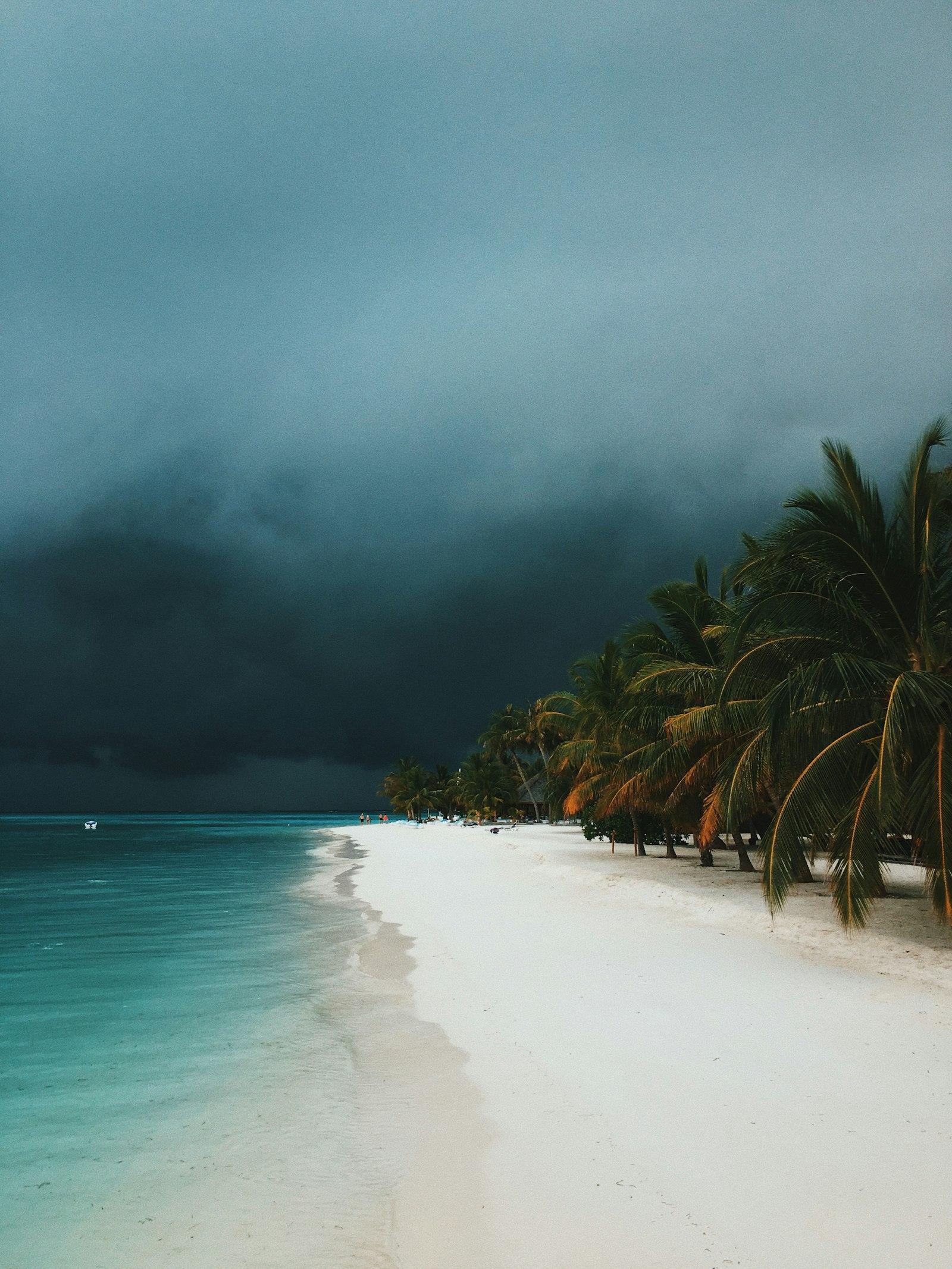
The Surface That Handles a Storm Well Was Built for One
Hurricane season in Central Florida runs June through November, and the heaviest activity typically lands August through October — which means if your driveway, patio, or pool deck is going to get tested this year, it's likely getting tested soon. Here's what actually matters for a paver surface going into storm season, and what doesn't.
Water Is the Real Threat, Not Wind
Wind gets the headlines, but for a hardscape surface, water is what actually causes damage — specifically, water that has nowhere to go. Central Florida can get several inches of rain in an afternoon during a tropical system, and where that water goes decides whether your property handles it or fights it.
This is where paver surfaces have a structural advantage that isn't marketing — it's physics. Paver joints let water pass between units into the base below and disperse, rather than sheeting across a sealed surface toward whatever's downhill, which is often your foundation. A properly built paver system is doing drainage work passively, all the time, without a pump or a drain doing the job for it.
A sealed surface — poured concrete, or pavers with joints that have failed or washed out — doesn't have that give. Water runs to the edge and concentrates there, which is exactly the wrong place for a large volume of water to show up during a named storm.
What a Properly Built Surface Already Handles
If your pavers were installed with a real base and proper edge restraint, most of what a hurricane does to a residential hardscape surface, it was already built to withstand:
- Heavy, fast rainfall — the joint system disperses it into the base rather than letting it pool or sheet
- Wind-driven debris — pavers don't lift or peel the way some surface coatings can; they're mechanically interlocked, not adhered
- Standing water — a properly graded base moves water away from the surface rather than holding it against the units
This is the argument for doing the base work right the first time, not a storm-season upsell. A surface built on a shortcut base doesn't fail more dramatically during a hurricane. It just fails on the same timeline it was always going to, and a major storm can be the event that pushes an already-compromised section over the edge.
What Actually Needs Checking Before a Storm
Joint sand condition. If joints are visibly low, eroded, or you can see gaps between units, water bypasses the drainage system that's supposed to be doing the work. This is a maintenance item, not an installation flaw — joint sand wears down over years and needs periodic replenishment, more often on a surface exposed to heavy rain seasons.
Edge restraint. Loose or exposed edge restraint is worth flagging before a storm, since it's the component that keeps the whole field of pavers from shifting under sustained water pressure at the perimeter.
Drainage path. Walk the property after a normal rain, not during a storm, and see where water actually goes. If it's pooling somewhere it didn't used to, that's worth addressing before hurricane season tests it at volume.
Low spots. A section that's settled slightly holds water rather than shedding it. On a paver surface this is a lift-and-reset fix, not a replacement — one of the real advantages over a rigid surface, where the same low spot means a crack is likely already forming.
After a Storm
If your property takes on standing water during a storm, the paver surface itself is rarely the emergency — it's built to handle water passing through it. What's worth a look afterward: whether joint sand washed out anywhere visible, whether any section shifted or settled, and whether drainage patterns changed (a sign that grading moved, which happens more than people expect after sustained heavy rain).
None of this usually means starting over. It means identifying what moved and correcting it — which is the entire advantage of a system built from individual units instead of one rigid slab.
The Actual Prep Work
If you're going into this season with a surface you're not confident in — settled sections, eroded joints, standing water where there shouldn't be any — the time to address it is before the season peaks, not during it. We'll walk the property, tell you honestly what needs attention and what's fine as-is, and if a repair is straightforward, we'll say so rather than pitch a full replacement you don't need.
Tell us what you're seeing and we'll come take a look — free, no obligation, before the next system is anywhere near Florida.
More Articles
May 16, 2026
Top Pavers for Florida Homeowners: A Complete Guide
A complete guide to choosing the right paver material for Florida's demanding climate — from travertine and concrete to porcelain and natural stone.
May 16, 2026
Why Paving Is the Go-To Choice in Central Florida
How high-quality paving systems deliver durability, elegance, and long-term property value for residential and commercial properties across Florida.
May 16, 2026
The History of Paving in Florida: From Brick Streets to Modern Luxury Hardscapes
From St. Augustine's historic brick streets to Central Florida's modern luxury hardscapes — how Florida's paving tradition evolved over a century.
Get Started
Ready to transform your
outdoor space?
We visit your property, assess what's needed, and give you a full written quote within 24 hours. No pressure.