
Articles · Maintenance
Paver Sealing:
When and Why
By Augusto Lodos, Owner & Executive Commercial Director · August 25, 2026
Pavers work without ever being sealed — the base and the interlock do the structural job. Sealing is a different decision: it's what protects joint sand from Florida's rain volume and keeps a surface looking like day one instead of slowly looking tired. Here's when it actually matters, and when it's honestly fine to skip.
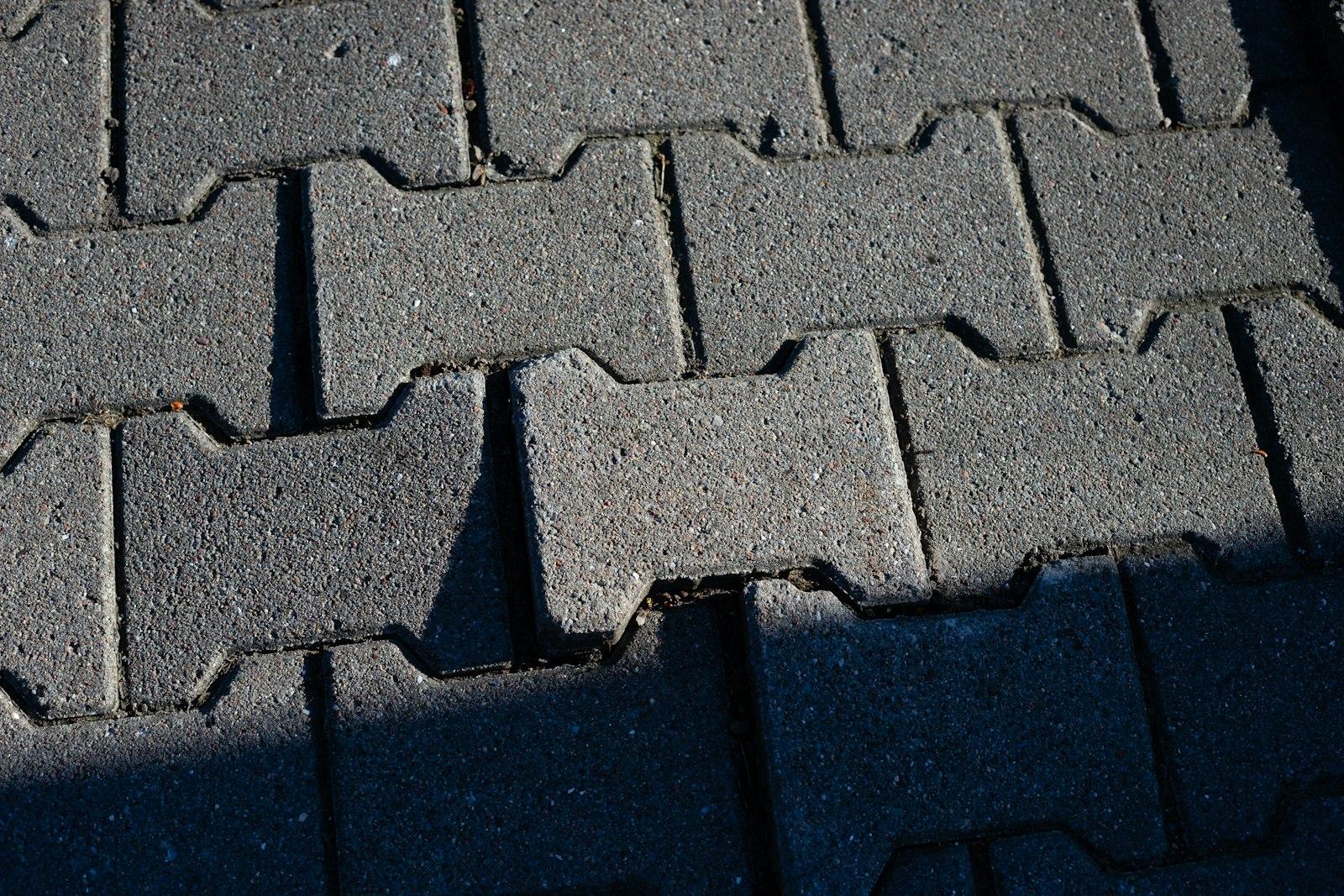
Sealing Isn't Required. It's Insurance.
Pavers work without ever being sealed. The base does the structural job, the interlock does the load-bearing job, and an unsealed surface will still function for years. Sealing is a different kind of decision — it's what keeps a surface looking like the day it was installed instead of slowly looking tired, and it protects the part of the system that's easiest to lose in Florida's climate: the joint sand.
Here's when it actually matters, and when it's fine to skip.
What Sealing Actually Does
A sealant does three things worth caring about in this climate specifically:
Locks joint sand in place. This is the biggest one in Florida. Heavy, frequent rain washes loose joint sand out of the gaps between pavers over time, especially on a sloped surface or one that gets a lot of runoff. Once sand erodes out, weeds have an easier path in and the interlock that holds the whole surface together weakens at the joint. A quality sealant — particularly one applied over polymeric sand — dramatically slows that erosion.
Resists staining. Oil, rust, tannins from leaves and mulch, chlorine splash near a pool — a sealed surface sheds these instead of absorbing them. An unsealed paver, especially a lighter-colored one, will show staining faster and hold it longer.
Enhances color and reduces fading. UV exposure fades color over time regardless of sealant, but a sealed surface fades slower, and certain sealant types (enhancers, wet-look finishes) intensify the paver's natural color while they're doing it — which is a look some homeowners want and others don't. This part is aesthetic preference, not a durability argument.
What sealing does not do: fix a settled section, correct a bad base, or extend the life of a surface that's structurally failing. If the problem is underneath the pavers, sealing the top of them doesn't touch it.
When It Actually Matters
Pool decks — near-constant moisture and chlorine exposure make sealing more valuable here than almost anywhere else on the property. Driveways — oil and tire residue are the main stain risk, and sealing makes cleanup dramatically easier. Any surface with polymeric joint sand — sealing protects the investment you already made in the better joint material. Light-colored pavers anywhere — staining shows faster and more visibly on lighter material.
Lower priority: a walkway or patio that sees light traffic and isn't exposed to oil, chlorine, or heavy staining risk. Sealing there is a cosmetic and protective choice, not a functional necessity.
How Often
Resealing frequency depends on sealant type, sun exposure, and traffic — there's no single universal number, but most residential surfaces in this climate need attention somewhere in the two-to-four-year range. High-UV, high-traffic surfaces on the shorter end of that; shaded, low-traffic surfaces can often stretch longer. The surface itself tells you when it's due — water starts absorbing into the pavers instead of beading on the surface, color looks duller, joint sand looks visibly eroded.
What It Costs
Paver sealing in Central Florida generally runs $0.75 to $2.00 per square foot, and the range is genuinely wide because the job varies more than the description suggests. A straightforward maintenance reseal on a clean, well-kept surface sits toward the lower end. A full job — stripping old sealant, deep-cleaning stains and organic growth, replacing eroded joint sand, then sealing — sits toward the top, because at that point you're doing real prep work before the sealant ever goes on.
What moves the number: surface condition (clean vs. needing strip-and-restore), total square footage, sealant type (basic topical vs. a premium enhancer/wet-look finish), and whether joint sand needs replacing first. We won't quote sealing without seeing the actual surface — the difference between a light maintenance job and a full restoration is significant, and guessing from a description does you no favors.
DIY vs. Professional
Sealing is one of the more accessible maintenance tasks on a paver surface, and some homeowners do handle it themselves. Where it goes wrong: uneven application leaving visible lap marks, sealing over sand that should have been replaced first, or using a product mismatched to the paver type (some sealants react badly with certain finishes). If you're doing it yourself, test a small area first and follow the manufacturer spec for that specific material — not a general "paver sealer" instruction.
Our Approach
We don't push sealing on every job as an upsell, because it isn't always the right add — a lightly-used walkway with standard joint sand doesn't need the same treatment a pool deck does. When we do recommend it, it's because the surface and the exposure actually call for it, and we'll tell you honestly if your situation doesn't.
Tell us what surface you're looking at and its current condition, and we'll give you a straight read on whether it needs sealing now, later, or not yet — plus a written quote if it does.
More Articles
May 16, 2026
Top Pavers for Florida Homeowners: A Complete Guide
A complete guide to choosing the right paver material for Florida's demanding climate — from travertine and concrete to porcelain and natural stone.
May 16, 2026
Why Paving Is the Go-To Choice in Central Florida
How high-quality paving systems deliver durability, elegance, and long-term property value for residential and commercial properties across Florida.
May 16, 2026
The History of Paving in Florida: From Brick Streets to Modern Luxury Hardscapes
From St. Augustine's historic brick streets to Central Florida's modern luxury hardscapes — how Florida's paving tradition evolved over a century.
Get Started
Ready to transform your
outdoor space?
We visit your property, assess what's needed, and give you a full written quote within 24 hours. No pressure.