
Articles · Pool Decks
Pool Deck Pavers
vs. Concrete
By Augusto Lodos, Owner & Executive Commercial Director · August 25, 2026
Nobody chooses a pool for the deck. Everybody's actual daily experience of it happens on one — barefoot, in Florida sun, for years. We build both concrete and paver pool decks, so here's the honest comparison: heat underfoot, chemical exposure, and which one fails gracefully when Central Florida's soil inevitably moves.
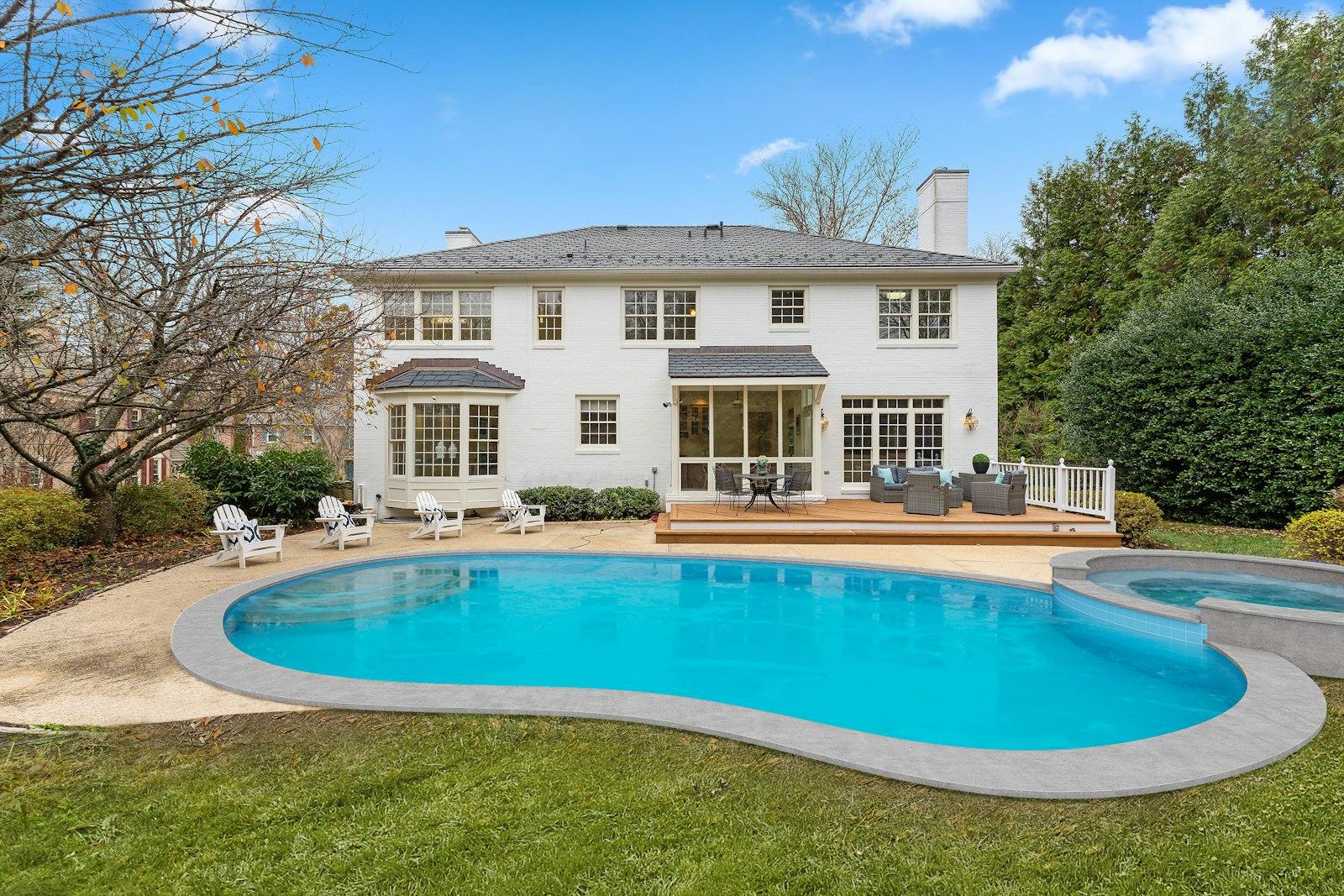
The Deck Around the Pool Matters More Than the Pool Does
Nobody chooses a pool for the deck. Everybody's actual daily experience of the pool happens on it — barefoot, in Florida sun, for years. That's why the material decision here carries more weight than the same decision on a driveway you only walk across.
We build both concrete and paver pool decks. Here's the honest comparison, specific to what a pool deck actually has to survive in Central Florida.
The Problem Unique to Pool Decks: Heat Underfoot
A driveway doesn't need to be comfortable to stand on. A pool deck does — you're barefoot, wet, and standing still at the exact moment surface temperature matters most. This is where the two materials diverge more than on almost any other comparison.
Poured concrete absorbs and holds heat. In direct Florida sun, a concrete pool deck can get hot enough by early afternoon that walking across it barefoot is genuinely uncomfortable, sometimes for hours. Lighter concrete finishes and some coatings help, but the material itself is working against you.
Pavers, particularly travertine, behave differently — travertine specifically stays noticeably cooler underfoot in direct sun than a poured slab, which is the reason it's become the default material around pools in Windermere, Dr. Phillips, and similar Florida markets. That's not a marketing claim; it's a real, felt difference the first time you walk across it in July.
Water, Chlorine, and Chemical Exposure
A pool deck lives with more moisture and chemical exposure than any other hardscape surface on the property — splashed pool water, chlorine, sunscreen, pool chemicals during service. Both materials handle this differently over time.
Concrete can stain from chlorine and chemical exposure, and the surface treatment (stamping, coloring) that makes concrete look good tends to wear unevenly in a wet, high-traffic zone — you'll see the pattern fade near steps and entry points first. Pavers hold their color better because in most cases the color runs through the unit rather than sitting on the surface. A stained or damaged individual paver can be pulled and replaced without disturbing the surrounding deck. A stained section of a concrete slab is stained for good.
How Each One Fails
This is the part that actually decides which one costs you more over the life of the deck, and it comes down to structure, not material quality.
Concrete is a single rigid pour. When Central Florida's light, sandy soil shifts underneath it — which happens continuously, and happens faster near a pool where excavation and water table proximity add extra movement — the slab has no way to accommodate that. It cracks. Once cracked near a pool, that crack is both a tripping hazard and a water intrusion point, and the repair options are the same bad ones as anywhere else: patch it, or remove the whole deck.
Pavers are individual interlocking units on a properly built base. Ground movement shows up as a settle in one section, not a crack across the deck. That section gets lifted, the base corrected, the same units reset. No seam. No mismatch. And critically for a pool deck specifically — no need to drain or disturb the pool itself to fix a section near the coping.
What It Actually Costs
Pool deck installation in Central Florida runs roughly $10,000 to $25,000 for most residential projects, often more for larger decks or a fully premium material like travertine throughout. The range is wide because pool decks vary more than almost any other project type — total square footage, whether the existing surface needs full demolition, coping and edge detail around the pool itself, and material choice all move the number meaningfully.
What moves it most: area (decks tend to be larger than a typical patio), material (travertine costs more than a standard concrete paver, and it's the material most people choose specifically for pool decks), and what's already there — removing a failed concrete deck costs more than building on open ground or replacing pavers that are already up.
We won't give you a number that means anything until we've seen the actual pool, deck footprint, and existing surface. What we can tell you honestly: the material cost gap between a standard paver and travertine is real, and it's the easiest place to control the number without compromising the part that actually determines how long the deck lasts — the base underneath it.
The Part That's the Same Either Way
Whichever material you choose, the base work is identical in importance. Central Florida's soil moves regardless of what's sitting on top of it, and a pool deck specifically needs a base built to handle proximity to the pool structure and consistent moisture exposure. This is the slowest, most expensive part of the labor and the first thing a lower bid usually cut. You won't see the difference on handover day. You'll see it by the third summer.
So Which One
Concrete makes sense if the deck is purely functional, budget is the primary constraint, and you're not planning to stay long enough for the failure-mode difference to matter.
Pavers make sense if the deck is part of how the pool area actually gets used and looked at, heat underfoot matters to you in July, or you'd rather fix a settled section than replace the whole deck when the ground eventually moves.
Tell us about your pool and what the deck needs to do, and we'll come look at the site and give you a full written quote within 24 hours — including an honest answer if concrete is genuinely the better call for your situation.
More Articles
May 16, 2026
Top Pavers for Florida Homeowners: A Complete Guide
A complete guide to choosing the right paver material for Florida's demanding climate — from travertine and concrete to porcelain and natural stone.
May 16, 2026
Why Paving Is the Go-To Choice in Central Florida
How high-quality paving systems deliver durability, elegance, and long-term property value for residential and commercial properties across Florida.
May 16, 2026
The History of Paving in Florida: From Brick Streets to Modern Luxury Hardscapes
From St. Augustine's historic brick streets to Central Florida's modern luxury hardscapes — how Florida's paving tradition evolved over a century.
Get Started
Ready to transform your
outdoor space?
We visit your property, assess what's needed, and give you a full written quote within 24 hours. No pressure.