
Articles · Maintenance
Weeds and Ants Keep
Coming Back?
By Augusto Lodos, Owner & Executive Commercial Director · September 26, 2026
You've pulled the same weeds twice. You've sprayed the same ant hill and watched it return two feet over. That's not bad luck — it's one underlying condition producing both symptoms, and it has nothing to do with whether your surface has ever been sealed. Here's what's actually happening in the joint, and what actually stops it.
The Symptom Isn't the Problem
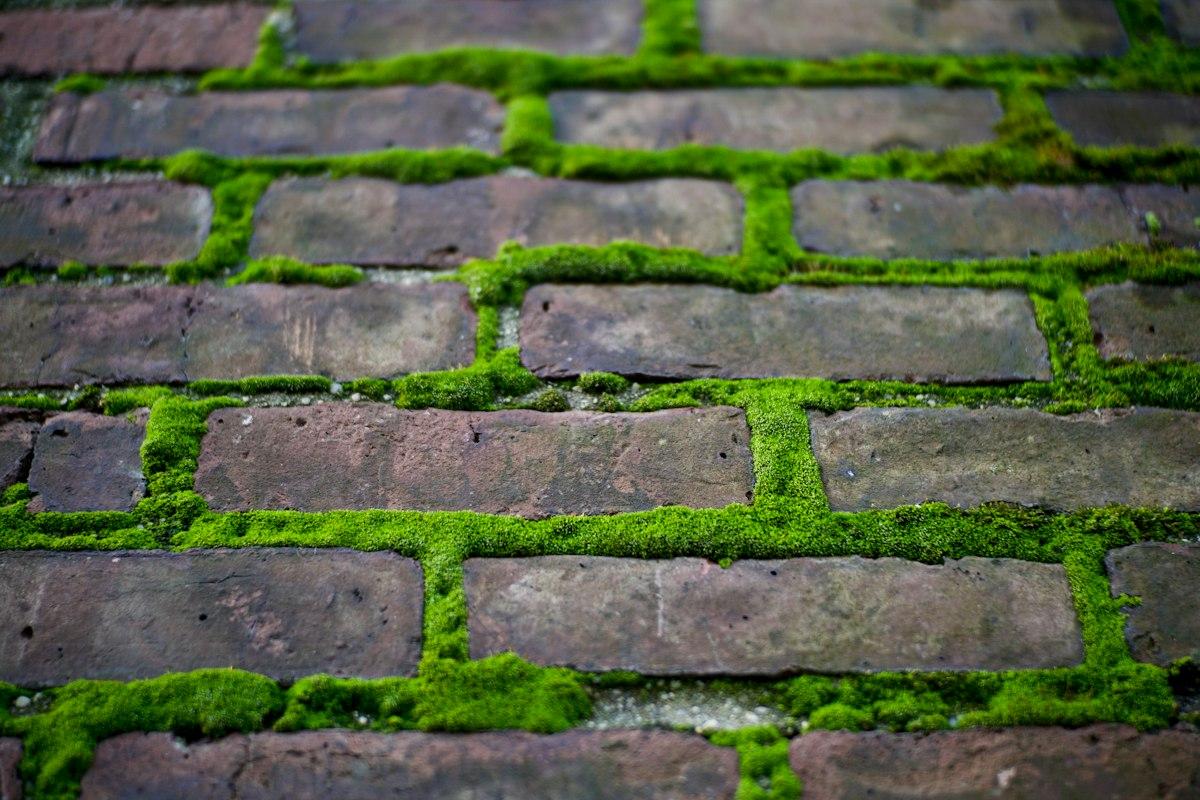
You've pulled the weeds out of the same six joints twice this month. You sprayed the ant hill by the pool deck last week, and it came back four days later — a couple feet over, like it barely noticed. If that feels like a losing pattern, it is one. Weeds and ants aren't two separate problems that happen to be visiting your patio at the same time. They're two symptoms of the same underlying condition in your joints, and neither one gets solved by treating what you can see on the surface.
This has nothing to do with whether your pavers have ever been sealed. Sealing is a separate, later decision — we've written about when that actually matters elsewhere. What's happening here sits underneath that question entirely, in the sand between your pavers, whether the surface is sealed or not.
Why Ants Specifically Target Paver Joints
Ants aren't picking your patio at random. A joint packed with loose, dry sand is easy to tunnel through. The pavers sitting on top act as a solid roof — they keep rain out and hold warmth, which makes the space underneath a stable place to build. And the bedding sand beneath the pavers is, from an ant's perspective, an almost endless supply of material to move.
That's the part most people don't realize: ants aren't just living in your joints, they're mining the structure your pavers sit on. Every grain of sand they pull out to build the nest below comes from the joint or the bedding layer — not from outside your yard. The little cones of sand you keep sweeping off your patio aren't dirt blowing in. They're spoil piles from active excavation happening under your feet. In Central Florida, the usual offenders are little black ants, big-headed ants, and fire ants — the last one worth taking seriously on a pool deck where people are walking barefoot.
Weeds Seed From Above, Not Up From the Base
Weeds get blamed on what's underneath the pavers, and that's backwards. Seeds don't travel up through a compacted base — they blow in on the wind, land in the open gap of a joint, collect with dust and organic debris, hold moisture, and root right there. The joint is the seedbed. Nothing below it matters if the joint itself stays open.
That's also why weed barrier fabric under the base doesn't solve this — a genuinely common assumption, and a wrong one. Fabric under the base separates soil from base material lower down. It does nothing for a seed that's already landed in the joint above it, because that seed never had to cross the fabric in the first place.
One Cause, Two Symptoms: The Joint Sand
Here's the mechanism that ties both problems together: a loose, open joint is simultaneously diggable for ants and germinable for weeds. It's the same vulnerability serving two different pests. Harden that joint — with water-activated polymeric sand instead of regular loose sand — and both lose their foothold at once. Seeds have nothing to root into. Ants have nothing to excavate. That's not a sealing effect. It happens whether the surface is ever sealed or not.
Polymeric sand isn't magic, and it's not permanent. It doesn't weld your pavers into one rigid slab — they still flex and move slightly with the base underneath, which is the interlock system working correctly, not failing. And years of Florida sun and storm exposure will eventually wear the joint edges and thin the sand, the same way any exterior material weathers. That's the honest reason re-sanding matters on a cycle, not a one-time fix-it-forever claim.
Left alone long enough, the damage compounds. Continued mining hollows the joints out further, which invites more weeds and lets stormwater pump straight through instead of draining properly. Given enough time, it can hollow voids under the pavers themselves — one real cause of a section starting to rock underfoot, which turns a five-minute fix into an actual repair.
What Doesn't Work (and Why It Keeps Coming Back)
Most of what people try treats the visible symptom, not the joint. That's why it keeps coming back:
- Spraying the ant hill — surface sprays kill the workers you can see. The nest and the queen are deeper, untouched, and a new mound shows up nearby within about a week.
- Boiling water, vinegar, cinnamon — legitimate, on-the-spot tactics for killing weed growth you can already see in a joint, specifically. They do nothing for an ant colony. Poured down an entrance, they hit the visible opening, not the tunnels behind it.
- Sweeping more loose sand into the gaps — this feels like maintenance. It's actually resupply: fresh, loose digging material delivered right to where the colony needs it. It can make an ant problem worse, not better.
- Ant bait — genuinely useful, with a caveat. Granular bait can knock down a live colony, and it's worth doing first if you're dealing with a heavy, active infestation — fire ants especially — so the colony collapses instead of just relocating. But it's a first step, not the fix. If the joint itself stays loose and open, the next colony simply moves into the vacancy.
What We Do Differently
When we're called out for a joint that's already growing weeds or hosting ants, we don't power-wash the surface and dump fresh sand over the top. That buys a few months at best, because it leaves the actual problem — a compromised joint — untouched underneath the new sand. We clean the joints out properly first: old degraded sand, root material, debris, all of it, before anything new goes in.
Polymeric sand is our default, not an upsell. It's what goes into a joint as standard practice in this climate, not a premium option we talk you into. Done right — sand fully swept clear of the surface before it's misted, water applied in the right amount, no shortcuts — you don't get the hazy, whitish residue that's given polymeric sand an undeserved reputation. That's an installation mistake, not a defect in the material, and it's avoidable by doing the job properly the first time.
And we'll tell you honestly which situation you're in. Sometimes this is a straightforward clean-out and re-sand. Sometimes the mining has gone on long enough that the base itself needs attention, and re-sanding alone would just be papering over it. We won't know which one yours is from a description over the phone — that takes an actual look — and what it involves follows from what we find, not a guess made before anyone's seen it.
The Short Version
Weeds and ants between your pavers aren't two problems. They're one open joint doing two things at once. Regular sand won't hold that line — polymeric sand, installed correctly, does, independent of whether the surface is ever sealed. If yours already has both, sprays and extra sand won't fix it. The joint needs to be cleaned out and resanded properly, and it's worth knowing whether that's all yours needs before anyone touches it.
More Articles
May 16, 2026
Top Pavers for Florida Homeowners: A Complete Guide
A complete guide to choosing the right paver material for Florida's demanding climate — from travertine and concrete to porcelain and natural stone.
May 16, 2026
Why Paving Is the Go-To Choice in Central Florida
How high-quality paving systems deliver durability, elegance, and long-term property value for residential and commercial properties across Florida.
May 16, 2026
The History of Paving in Florida: From Brick Streets to Modern Luxury Hardscapes
From St. Augustine's historic brick streets to Central Florida's modern luxury hardscapes — how Florida's paving tradition evolved over a century.
Get Started
Ready to transform your
outdoor space?
We visit your property, assess what's needed, and give you a full written quote within 24 hours. No pressure.