
Articles · Process
What Happens During
Paver Installation
By Augusto Lodos, Owner & Executive Commercial Director · August 25, 2026
Most people picture the visible part of a paver install — pieces going down, a pattern forming. That's the smaller half of the job. Here's the full sequence in order, including the part that decides whether your surface holds for decades or starts failing in year three, and why it's the step nobody ever photographs.
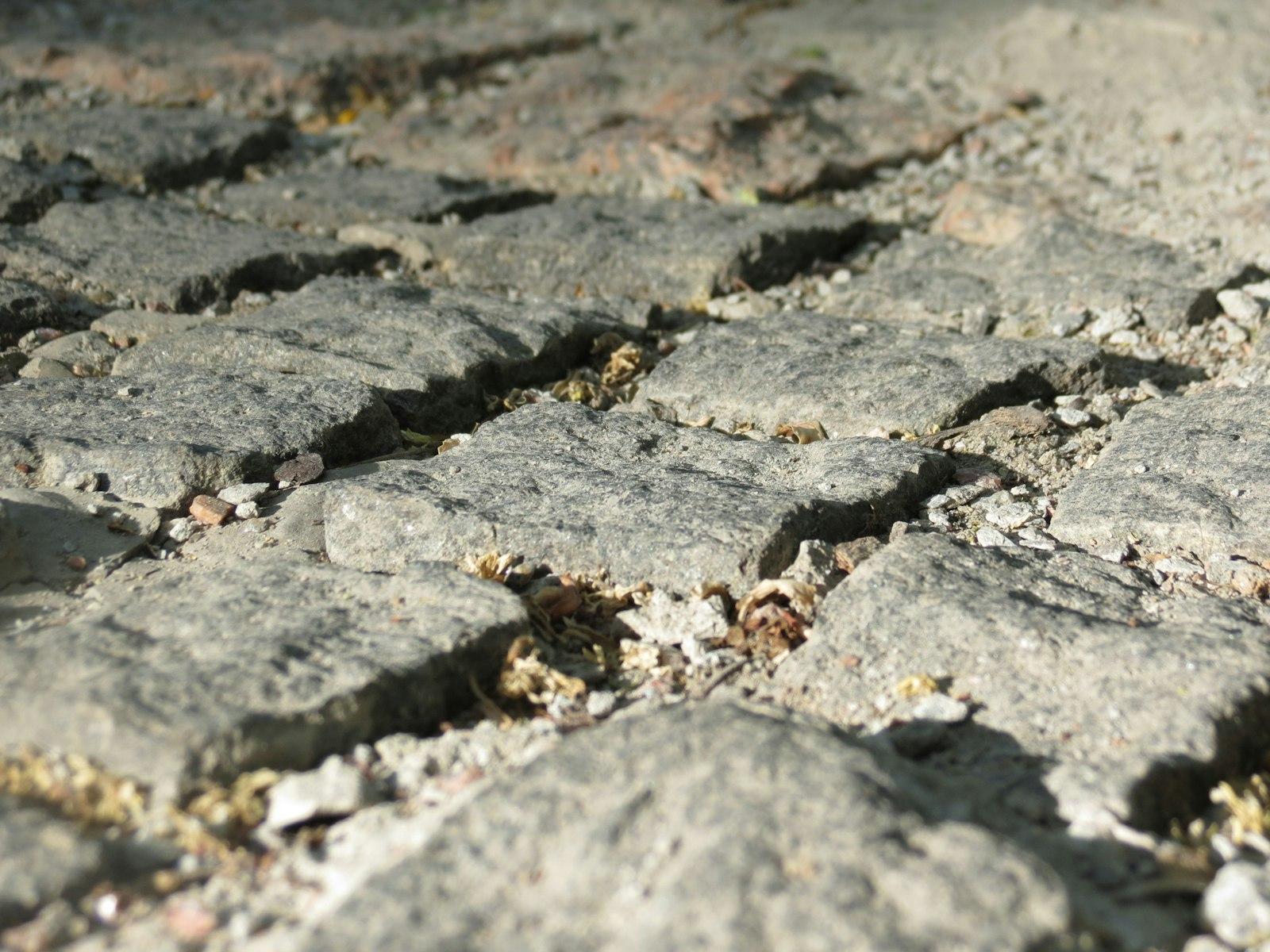
What You're Actually Paying For
Most people who've never had pavers installed picture the visible part — pieces going down, a pattern forming, a finished surface by the end of the week. That part is real, but it's the smaller half of the job. Here's the whole sequence, in order, so you know what's happening on your property each day and why.
Day One: Site Assessment and Marking
Before anything gets removed, the site gets walked and marked. Grade, drainage direction, where utilities run, where the property line actually is versus where you think it is. This isn't a formality — it's the step that determines the base plan for everything after it.
We measure the area precisely rather than estimate it, because the quote you received was built on a real number, and the material order needs to match the real area, not a rough guess that gets corrected mid-job.
Excavation
The existing surface — grass, old concrete, degraded pavers — comes out. How deep the excavation goes isn't a fixed number; it depends on the existing surface, the soil, and what's going on top. A driveway carrying vehicle weight needs a deeper, more substantial base than a garden walkway.
This is also where root zones get respected if there are mature trees nearby. A live oak's root plate often runs wide and shallow, sometimes directly under where a driveway wants to go. Cutting through it to save a day of work costs you the tree and, eventually, the driveway — a severed or damaged root doesn't hold ground the way a living one does. Excavation depth varies across the run where it has to, rather than following one number blindly.
Base Construction — the Part Nobody Photographs
This is the step that decides whether your investment lasts. Central Florida sits on light, sandy soil that moves under anything laid straight on top of it. Every job we do gets a compacted aggregate base, built and leveled to full depth before a single paver goes down.
The base gets compacted in lifts — laid and compacted in stages rather than dumped all at once and rolled over a single time. That distinction matters more than it sounds like it should. A base compacted properly in lifts holds its shape under load for decades. One rolled once, quickly, looks identical on the day we leave and starts telling on itself within a few years — edges dip, joints open, the surface that matched ours starts separating from it.
This step is the slowest part of the job and the least visible in the finished result. It's also the first thing a corner-cutting contractor skips, because you can't see the difference between four inches done right and two inches done fast — not until the third summer.
Laying the Pavers
With the base set, the pavers go down according to the pattern you chose — running bond, herringbone, basketweave, whatever fits the design and the traffic the surface will carry. Cuts around edges, drains, and fixtures happen with the actual pieces on site, not pre-planned on paper, because a real property never matches a diagram exactly.
This is the part that looks like progress, and it moves faster than the base work did — which is exactly why some homeowners assume the laying is the job. It's the last quarter of it.
Joint Sand and Compaction
Once the pattern is laid, joint sand gets swept into the gaps between units and the whole surface gets compacted again with a plate compactor. This locks the pavers together — they're not held down by adhesive or mortar, they're held in place by friction and interlock, which is exactly what lets a settled section get lifted and reset later without disturbing anything around it. Polymeric sand is often used here instead of standard joint sand — it hardens once it's activated with water, which resists weed growth and washout better than loose sand does, particularly useful on a surface exposed to Florida's rain volume.
Final Inspection and Cleanup
The site gets cleaned before we leave — every day, not just at the end. Debris, excess material, and equipment don't sit on your property between visits. On the final day, the whole surface gets walked and checked: level, joints filled evenly, edges secure, drainage doing what it's supposed to.
Timeline
Most residential jobs run two to five days on site, depending on the scope — a standard driveway toward the shorter end, a larger patio or pool deck combined with other surfaces toward the longer end. You'll know the real number for your project before we start, not partway through.
The Part That's Actually Different Between Contractors
Every company installing pavers does some version of this sequence. What separates a surface that holds for decades from one that fails in a handful of years isn't a secret technique — it's whether each step got the time it actually needs, especially the one you can't see once it's covered. When you're comparing quotes, ask what's going into the base and how it's being compacted. The answer tells you more than the price does.
Tell us what you're planning and we'll walk you through what your specific job looks like day by day — then give you a full written quote within 24 hours.
More Articles
May 16, 2026
Top Pavers for Florida Homeowners: A Complete Guide
A complete guide to choosing the right paver material for Florida's demanding climate — from travertine and concrete to porcelain and natural stone.
May 16, 2026
Why Paving Is the Go-To Choice in Central Florida
How high-quality paving systems deliver durability, elegance, and long-term property value for residential and commercial properties across Florida.
May 16, 2026
The History of Paving in Florida: From Brick Streets to Modern Luxury Hardscapes
From St. Augustine's historic brick streets to Central Florida's modern luxury hardscapes — how Florida's paving tradition evolved over a century.
Get Started
Ready to transform your
outdoor space?
We visit your property, assess what's needed, and give you a full written quote within 24 hours. No pressure.