
Articles · Seasonal
The Best Time to Install
Pavers in Florida
By Augusto Lodos, Owner & Executive Commercial Director · October 27, 2026
Ask a contractor in Ohio when to install pavers and the answer is about frost. Central Florida's calendar is quieter and trickier: nothing freezes, but the rain keeps a schedule, and what it does to a base and a bed of sand is the whole reason timing matters here. Here's the dry-season window, why summer is possible but less predictable, and the permits and approvals that decide when you can actually start.
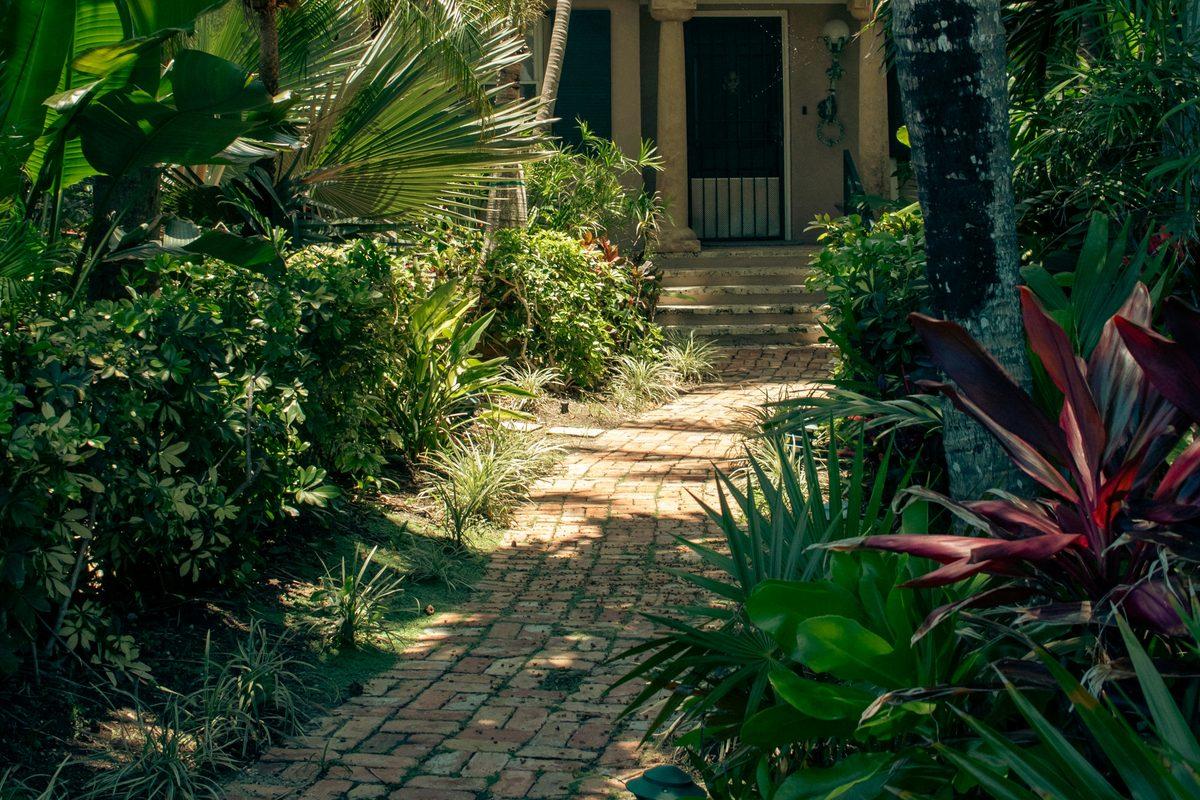
The Weather Doesn't Freeze the Job Here. It Floods It, on a Schedule.
Ask a contractor in Ohio when to install pavers and the answer is about frost. Ground freezes, work stops, spring comes, work starts. The calendar is blunt and everybody can read it.
Central Florida's calendar is quieter and trickier. Nothing ever freezes. The job never gets cancelled outright. It just gets rained on, most summer afternoons, for months, and what that does to a paver installation is the whole reason timing matters here.
Two Seasons, Not Four
Orlando has a wet season and a dry season, and the gap between them is bigger than most people expect. According to the National Weather Service's long-running climate normals for Orlando, June, July and August each average roughly seven inches of rain. By November and December that falls to around two to two-and-a-half inches a month, with October sitting in between at a little over three. (NWS Melbourne, 1981–2010 normals)
Layer hurricane season on top. The Atlantic season officially runs June 1 through November 30, so the tail of it overlaps the start of the dry stretch. That's why the practical dry-season window for outdoor hardscape work starts in earnest in November and runs through about May, not on any single clean date.
Those are averages, and Florida does not always honor averages. A dry-season front can still stall over Orlando for three days. But as a planning tool, the pattern is reliable enough to build a project around.
What Rain Actually Does to a Paver Installation
It isn't the finished pavers. A completed, properly built paver surface is made to take rain. The trouble is the part of the job nobody photographs: the base and the bedding layer, the hours before the surface is locked in.
- The base has to compact. A compacted aggregate base is what the entire installation stands on. It compacts predictably when the ground around it is workable. Saturated soil and standing water make that harder and less consistent, and a base that wasn't compacted right shows up later as settling.
- The bedding sand is exposed until the pavers go down. Common industry practice is to screed only as much bedding sand as the crew can pave in a day, and to cover it if weather turns. Sand that gets rained on, and compacted by that rain, has to be pulled back and re-screeded before pavers go on it.
- Joint sand needs a dry window. Polymeric joint sand, the kind that firms up between the pavers, has to be activated and then left alone. Most manufacturers call for a dry period of a day or more afterward, so check the product on your job. A sudden downpour at the wrong moment can wash the sand out of the joints or leave a hazy residue on the surface.
- A rushed schedule is the real risk. The danger is rarely the rain itself. It's the pressure the rain creates, a crew with four lost days that wants to make them back.
That last one is worth sitting with. A contractor who'll lay pavers over a soaked base to protect their calendar is telling you something about how they'll treat the part of the job you can't see once it's finished. The base is where an installation succeeds or fails, and it's the first thing that gets squeezed when the weather and the schedule collide.
Why November Through May Is the Window
None of this means summer installs are wrong. They happen constantly, and good crews work around rain every week of the year in Florida. It means the dry season gives the job fewer ways to go sideways:
- The ground is workable. Excavation, base placement and compaction happen in conditions that let the base do what it's supposed to.
- Days are more predictable. A five-day job is more likely to take five days, which matters when you've got an open excavation and a driveway you can't use.
- Joint sand cures when it should. The dry stretch after install is a bigger part of the forecast, not a lucky break.
- The crew isn't racing weather. Mornings and afternoons stay usable, so nobody has to compress the schedule and hope.
For a driveway, where the downtime is real, or a pool deck, where you want it ready for spring, the dry season is simply the lower-stress way to do the work. Summer is an option, not a mistake. Just expect more schedule movement, and ask how your contractor handles a rained-out day before you sign.
And Then Hurricane Season Comes Back
The other end of the window matters too. The dry season closes around the time hurricane season reopens on June 1. A project that slides from March to May to June is a project that now has to survive the first heavy weeks of the wet season while the work is fresh.
That's the argument for starting early rather than starting late. It also connects to what a paver surface needs going into storm season: the better-built the base and the fresher the joint sand, the better the surface handles the water it'll see.
The Calendar Also Runs on Paperwork
Here's the part that catches people out. The weather sets the best window to build. Permits, approvals and a few weeks of scheduling decide when you can actually start, and none of it moves faster because the forecast looks good.
Permits depend on where you live, not just the county. In unincorporated Orange County, residential pavers go through the Zoning Division. At the time of writing, the county lists a permit fee and a separate engineering review fee of $38 each, asks for an application plus a dimensioned site plan showing existing structures, proposed paver areas, property lines and any easements, and quotes a review time of four business days once payment is received. (Orange County residential pavers permit) That page also notes that pavers in an easement need a signed easement acknowledgment form.
That covers unincorporated Orange County only. If you're inside the City of Orlando, another city such as Winter Park or Kissimmee, or in Seminole, Osceola or Lake County, the process is different, and so are the fees and requirements. Confirm with your own jurisdiction. Fees and processing times change too, so treat any number in an article, including this one, as a reason to check, not a final answer.
HOA approval is often the longer wait. Many Central Florida communities require architectural review before pavers go down: the pattern, the color, sometimes the contractor. Review boards tend to meet on a set schedule, so a missed submission deadline can cost you weeks. If you're in a community like Windermere or Dr. Phillips, start there first.
Ask who's pulling the permit. It's a fair question to put to any contractor, in writing, before the job begins. Who applies, who pays, and what happens if the county sends the application back for corrections.
Four Questions Worth Asking About Weather
Whatever season you pick, how a contractor answers these tells you more than the estimate does:
- What happens when it rains mid-job? You want a plan, not a shrug. Covered sand, a paused schedule, a re-screed if the bed got wet.
- Will you ever lay pavers over a wet or soft base? The only acceptable answer is no, and the reason should be about compaction, not convenience.
- How much of the bed do you open at a time? A crew that screeds only what it can finish and protect in a day is working like it expects Florida weather, because it should.
- Does a delay change the price or the standards? A rained-out day should move the date. It shouldn't move the specification.
None of these are trick questions. A contractor who's done this in Central Florida for a while will have answered them before, usually without needing to think.
Working Backward From a Spring Install
If you'd like the job done in the dry season, the calendar looks like this:
- September through November. Get your quotes. Decide what you're building. Find out which jurisdiction you're in, and whether your HOA has to approve it.
- December. Submit the HOA application and the permit if one is required. Choose your materials and confirm availability.
- January through April. Install. This is the stretch where a project that starts on time is least likely to slip.
- Before June 1. Finished, joint sand settled, drainage tested by a normal rain, before the wet season does it for you.
Nobody has to follow that to the day. The point is that "I'd like pavers this spring" starts in October or November, not in April.
The Short Version
In Central Florida, the best time to install pavers is the dry season, roughly November through May. The ground is workable, the base compacts predictably, and the joint sand gets the dry stretch it needs. Summer installs are possible, just less predictable, and a contractor willing to rush a wet base to protect their calendar is a warning sign worth taking seriously. The weather sets the window, but permits and HOA approval set the start date, so if a spring install is the goal, the paperwork begins in the fall. Start early, ask who's handling the approvals, and let the base take the time it needs.
More Articles
August 25, 2026
Hurricane Season and Your Pavers: What Actually Matters
Water, not wind, is what actually threatens a hardscape surface in a storm — and why a properly built paver system is already doing drainage work passively, every day.
August 25, 2026
What Happens During a Paver Installation: Our Process, Step by Step
The full installation sequence, step by step — including the slow, unglamorous base work that decides whether your surface lasts decades or years.
August 25, 2026
How to Choose a Paver Contractor in Orlando: 12 Questions That Matter
12 questions that actually separate paver contractors — not marketing language, but the specifics that tell you who's cutting corners before you sign anything.
Get Started
Ready to transform your
outdoor space?
We visit your property, assess what's needed, and give you a full written quote within 24 hours. No pressure.